

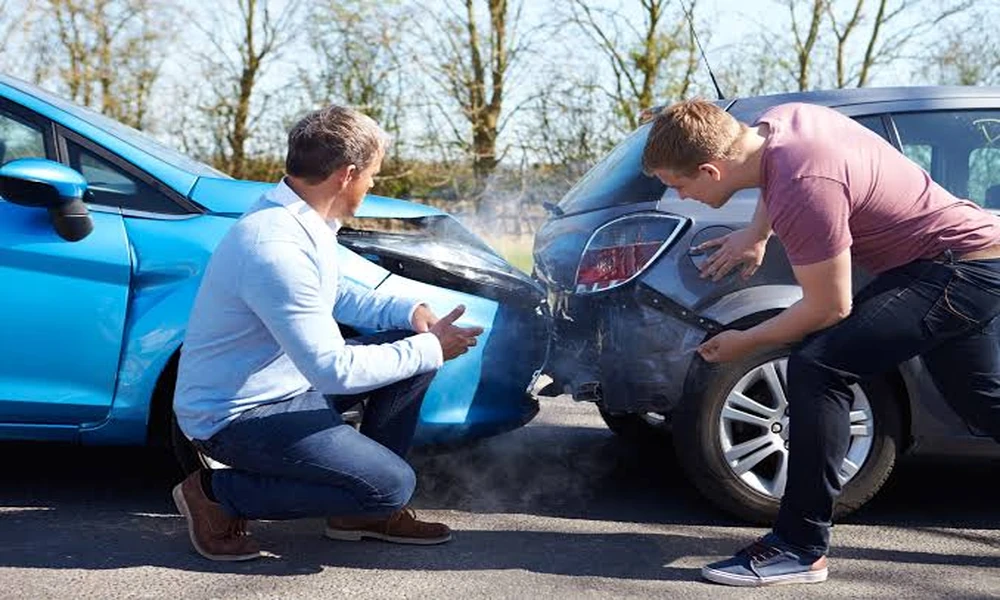

After an accident, many people believe they can only recover compensation if another person was completely responsible. In New Jersey, that is not always the case. The state follows a comparative negligence system, which means an injured person may still be able to recover compensation even if they were partly responsible for an accident.
Understanding how comparative negligence works can help injury victims better understand their rights and what to expect during a personal injury claim.
What Is Comparative Negligence?
Comparative negligence is a legal rule used when more than one person may have contributed to an accident. Instead of simply deciding that one person was responsible, the court can assign each party a percentage of fault.
For example, imagine someone is injured in a car accident and suffers $100,000 in damages. If that person is found to be 20% responsible for causing the accident, their potential recovery may be reduced by 20%. In this example, the remaining amount would be $80,000.
The purpose of this rule is to account for situations where responsibility is shared.
New Jersey Uses Modified Comparative Negligence
New Jersey follows a modified comparative negligence approach. Under New Jersey law, an injured person generally cannot recover damages if their percentage of fault is greater than the combined fault of the other parties.
For example, if an injured person is found to be 30% responsible and another party is 70% responsible, the injured person may still recover damages, subject to a reduction for their share of fault.
However, if the injured person is found to be 51% responsible while the other party is 49% responsible, the injured person generally cannot recover damages from that party.
This makes determining the percentage of fault an important part of many personal injury claims.
How Is Fault Determined?
Determining fault is not always simple. Insurance companies, attorneys, and courts may review different types of evidence to understand what happened.
Evidence may include police reports, photographs of the accident scene, medical records, video footage, witness statements, property damage, and other documentation.
For example, in a premises liability case, a person who slips on a wet floor may be accused of failing to pay attention while walking. In these situations, slip and fall lawyers NJ may examine photographs, surveillance footage, warning signs, maintenance records, and witness accounts to determine how the accident happened and whether other factors contributed to the injury.
How Comparative Negligence Can Affect Compensation
Comparative negligence can directly affect the amount an injured person may receive. The greater the percentage of fault assigned to the injured person, the more their potential compensation may be reduced.
For instance, suppose an accident victim has $75,000 in damages but is determined to be 20% at fault. A 20% reduction would leave a potential recovery of $60,000.
The actual amount of compensation in a personal injury case depends on the specific facts, applicable law, and damages that can be established.
Why Legal Guidance May Be Helpful
Insurance companies may investigate an accident and argue that an injured person was partly responsible. Because a percentage of fault can affect compensation, understanding how the facts may be interpreted can be important.
A personal injury attorney NJ can review the available evidence, explain how comparative negligence may apply, and help an injured person understand their legal options.
Protecting Your Rights After an Accident
After an injury, keep records related to the accident and your medical treatment. Take photographs when possible, keep copies of medical bills and other expenses, and follow your doctor’s instructions. Avoid making statements that could be misunderstood or accepting a settlement before understanding what it covers.
New Jersey’s comparative negligence rules can have a significant impact on a personal injury claim. Knowing how fault is determined and how your percentage of responsibility may affect compensation can help you make more informed decisions after an accident.